
July 19, 2026
5 Common Boat Problems in Summer — and When to Call a Mechanic
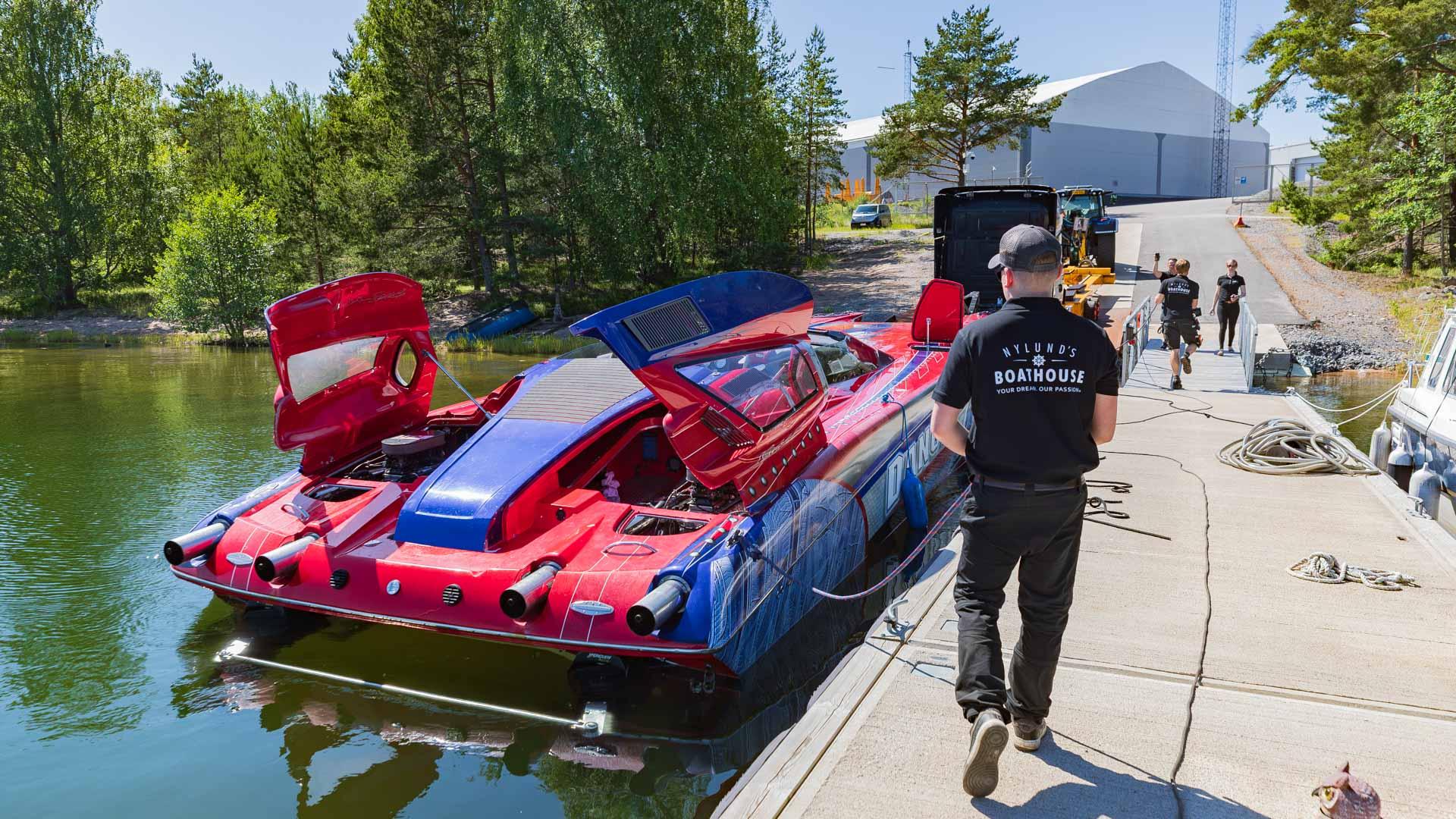
Summer is prime time on the water — and prime time for things to go wrong. After months in storage, boats get pushed hard during the short Nordic season. Our service team sees the same problems come through the workshop every year. Here's what to watch for, what it usually means, and when it's time to call us.
1. Overheating
The temperature gauge climbing into the red, an alarm sounding, or steam from the engine compartment — take these signs seriously immediately.
The most common cause this time of year is a failed raw water impeller — the rubber pump that draws cooling water through the engine. Impellers harden with age and can shred after a winter in storage. A clogged raw water intake is just as likely: seaweed, a plastic bag, or even a mussel shell can block the flow in seconds. A stuck thermostat is another possibility.
On closed-cooling engines, a dirty or scaled heat exchanger is a common culprit. Salt and mineral buildup reduces heat transfer gradually — and the problem can go unnoticed until temperatures spike.
Don't keep running if the engine is overheating — cylinder head damage is expensive. Shut down, check the raw water intake for blockages, and call us if the impeller or heat exchanger needs attention.
2. Won't start / dead battery
Nothing when you turn the key, or a weak click. Marine batteries deteriorate faster than most owners expect. A battery that made it through spring may not have the cranking amps to start a hot engine after a long day on the water. Parasitic drain from electronics left on standby, a faulty charger, or corroded terminals all contribute.
Check the terminals first — corrosion is the most common cause and the easiest fix. If the battery is more than three or four years old and won't hold charge, replace it before it leaves you stranded.
3. Propeller damage
Vibration that wasn't there before, a thump at cruising speed, or losing performance without any obvious reason.
In the Finnish and Swedish archipelago, hitting a rock, a submerged log, or running hard aground can bend a blade or nick the leading edge in a way that's invisible above the waterline. Even slight imbalance transmits stress to the shaft, cutless bearing, and shaft seal over time.
Vibration doesn't heal itself — it gets worse and will eventually damage shaft seals and bearings that cost significantly more to fix than the propeller itself. Bring the boat in for an inspection and we'll assess whether a recondition or replacement is needed.
4. Water in the bilge
More water than usual, the bilge pump running constantly, or visible water near the engine.
Likely sources: a worn shaft seal (stern gland), a loose raw water cooling hose, a deteriorating exhaust hose, or a through-hull fitting starting to weep. Some water in the bilge is normal. A bilge that's filling faster than usual is not.
Track down the source before you assume the pump is keeping up. If it's coming from anything in the cooling circuit, act fast — raw water leaks near a hot engine can escalate quickly.
5. Water in the fuel
Rough idle, cutting out under load, stuttering acceleration, or black and grey smoke from the exhaust.
Water enters fuel tanks through condensation (especially in tanks that aren't kept full), a leaking deck filler O-ring, or contaminated marina fuel. Ethanol-blended petrol can absorb water and release it through phase separation, particularly after the fuel sits over winter.
Your fuel/water separator filter is the first line of defense — drain and inspect it regularly. If you're seeing cloudy fuel or pulling water repeatedly, the tank may need to be drained and cleaned. Running contaminated fuel damages injectors and high-pressure pumps.
If any of these sound familiar, don't wait for it to get worse. Call us on +358 20 155 20 40 or email info@nylundsboathouse.com to book a service slot — summer fills up fast.
Read more: Boat service · Mercury service · Volvo Penta service · Contact us
News & Media
Related posts
How We Prepare Your Boat for Winter Storage
Wash, engine winterization, batteries and proper support — what happens to your boat between the lift and the heated hall, and why each step decides how it comes back in spring.

Nylunds Boathouse continues operations in Lappvik
Our group has sold its ownership in Port of Lappvik Ab. Nylunds Boathouse continues in Lappvik as before — no change for customers or partners.
Safe on the Water – What to Do If Your Boat Breaks Down
Practical advice for boaters in the Hanko archipelago. What to do in emergencies, who to call, and how to prepare for the unexpected on the water.